
First aid after a sports injury is a short set of simple steps that protect the injured limb and limit swelling until a doctor can assess it. The key points are to stop playing straight away, use a cold pack wrapped in cloth, raise the limb, and never try to put a dislocated joint back yourself.
Note: This is general advice and does not replace an examination. If pain is severe, the limb looks clearly out of shape, or there is bleeding or loss of feeling, seek emergency care immediately.
Stop playing straight away
The riskiest thing an athlete can do is play on to see whether the pain goes away. Continuing on an injured limb can turn a limited injury into a more serious one affecting ligaments, cartilage or bone. Stop, sit down and take the load off the injured limb.
First aid steps in order
- Stop playing and keep your weight off the injured limb.
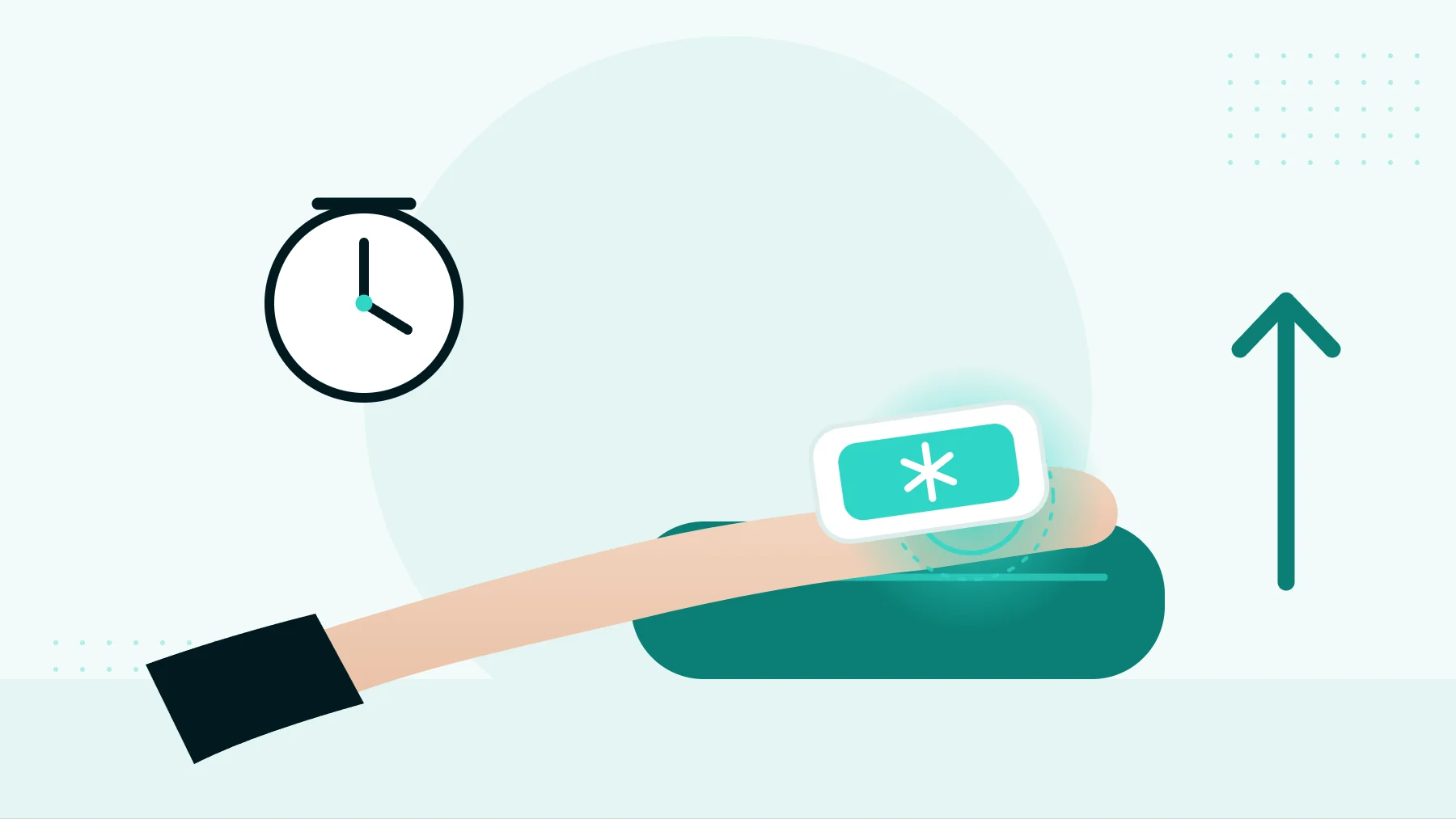
- Apply a cold pack wrapped in a cloth for short periods. Never put ice directly on the skin.
- Raise the injured limb above heart level where possible to help limit swelling.
- Rest it in a comfortable position. Do not force it to move or massage it.
- Have it assessed by a doctor before you return to training.
Use the cold pack for short spells, then remove it. Long or direct cooling can harm the skin.
Dislocation: do not try to put it back
If a joint looks deformed or out of place, as can happen with a shoulder dislocation, do not try to put it back yourself and do not let anyone untrained try. An unplanned attempt can injure nerves and blood vessels or cause a fracture. Support the limb in the position you found it and get medical help.
Signs that need prompt assessment
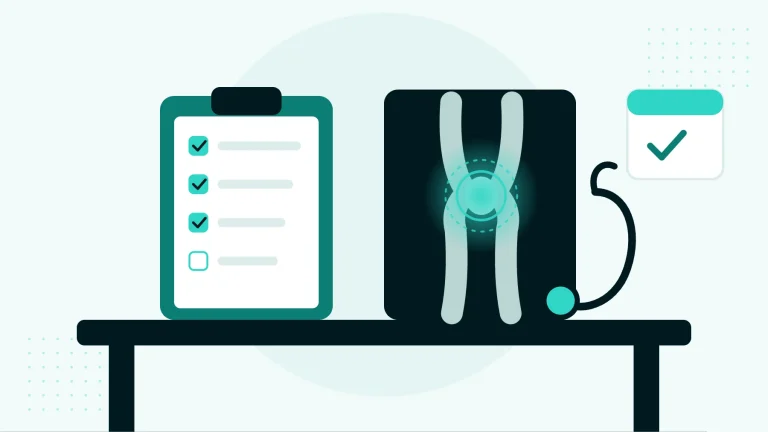
See an orthopedic doctor or go to emergency care if you notice any of these:
- A pop heard or felt at the moment of injury.
- Swelling within a few hours.
- Being unable to stand on or bear weight through the limb.
- A feeling that the joint is unstable or gives way.
- A visible change in the shape of the joint or bone.
- Numbness, weakness, coldness or paleness in the limb.
- Pain that does not improve with rest.
Before you go back on the pitch
Pain fading does not mean the injury has healed. Pain may settle while a ligament or cartilage remains damaged, and returning too early is a leading reason injuries come back. A safe return depends on the joint regaining its movement, strength and stability after a doctor's assessment, not on time passed alone.
You can read more on a safe return to sport, and on sports injuries for diagnosis and treatment options.